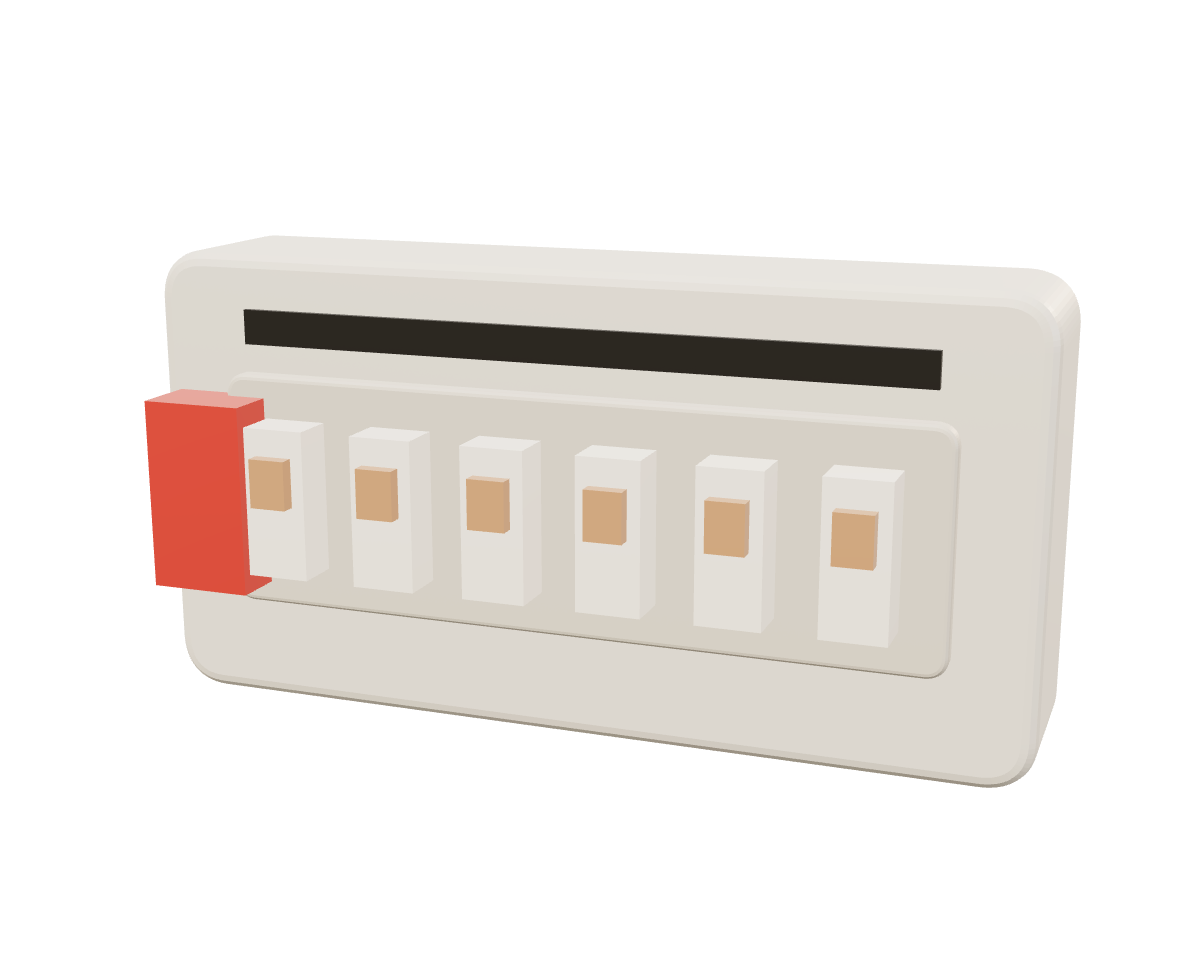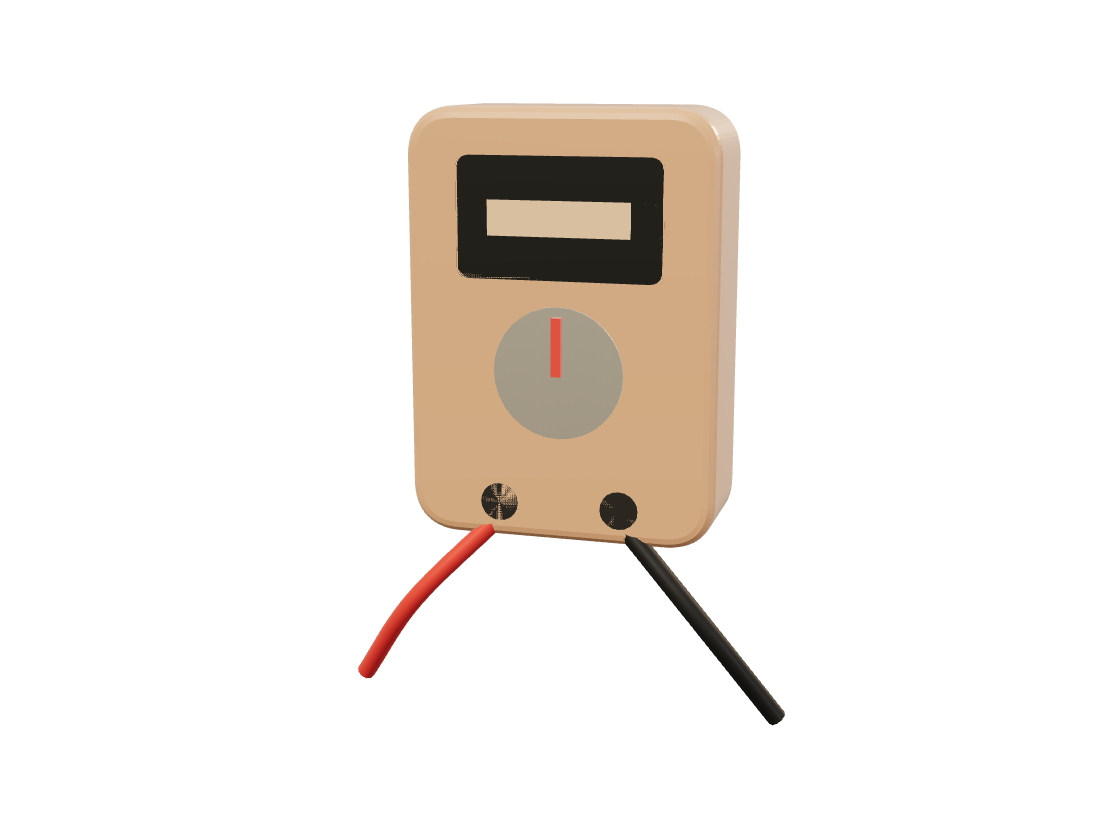



An Electrical Installation Condition Report (EICR) is a formal assessment of the fixed wiring in your property. It confirms whether your electrical installation is safe to continue in use and flags anything that needs attention. But how often do you actually need one, and what happens if a problem is found? This guide breaks it down for homeowners, landlords and business owners across Hertfordshire, Bedfordshire and Essex.
What is an EICR?
An EICR is carried out by a qualified electrician who inspects and tests your consumer unit, wiring, sockets, switches and protective devices. You receive a written report with an overall outcome — satisfactory or unsatisfactory — plus a list of any observations, each given a classification code. It is the recognised way to prove your installation meets current safety standards. You can read more about the purpose of these reports from Electrical Safety First.
How often should you get an EICR?
The right interval depends on the type of property and how it is used:
- Owner-occupied homes: at least every 10 years, or sooner if you notice problems or buy an older property.
- Rented homes (landlords): at least every 5 years, and at the start of a new tenancy — this is a legal requirement in England. See the GOV.UK landlord guidance for the details, or read our guide to landlord electrical responsibilities.
- Commercial premises: typically every 3–5 years depending on the environment and use.
- Swimming pools and higher-risk sites: more frequently, often annually.
- Whenever you buy a property or suspect a fault, regardless of the dates above.
What the EICR codes mean
Every observation on the report is given a code so you know how urgent it is:
- C1 – Danger present: a risk of injury exists and immediate action is required.
- C2 – Potentially dangerous: remedial work is needed as a priority.
- C3 – Improvement recommended: not dangerous, but worth addressing.
- FI – Further investigation: something needs to be looked into more closely.
A report is marked unsatisfactory if any C1, C2 or FI items are present. C1 and C2 issues should be put right without delay.
Landlord? An up-to-date EICR isn't optional — it's the law, and it must be renewed every five years or at a new tenancy. We provide inspections and certification for rental properties across Hertfordshire, Bedfordshire and Essex. Learn more about our electrical inspection and testing services.
Signs you shouldn't wait
Book an inspection sooner if you have flickering lights, a burning smell, scorched or warm sockets, frequently tripping breakers, or an old fuse board with rewireable fuses. These can all indicate a fault that needs professional attention — our guide to fuse board warning signs covers this in detail. If in doubt, our FAQs answer many of the questions we're asked.
What happens during the inspection
We isolate circuits safely, carry out a series of dead and live tests, and visually inspect the installation for damage, wear and non-compliance. Most domestic EICRs take a few hours depending on the size of the property and the number of circuits. You'll receive a full report and, where remedial work is needed, a clear quote to put it right.
How much does an EICR cost?
The cost depends on the size of the property and the number of circuits. A typical two- or three-bedroom home is straightforward, while larger or commercial premises take longer. We always give a clear, no-obligation price before we start, so there are no surprises.
Book your EICR with Robinz Electrical
As a family-run team of qualified electricians, we make inspections straightforward and stress-free, with certification supplied on completion. Get in touch for a free quote or call us on 07383 035007. You might also like our guide on how to choose a qualified electrician.