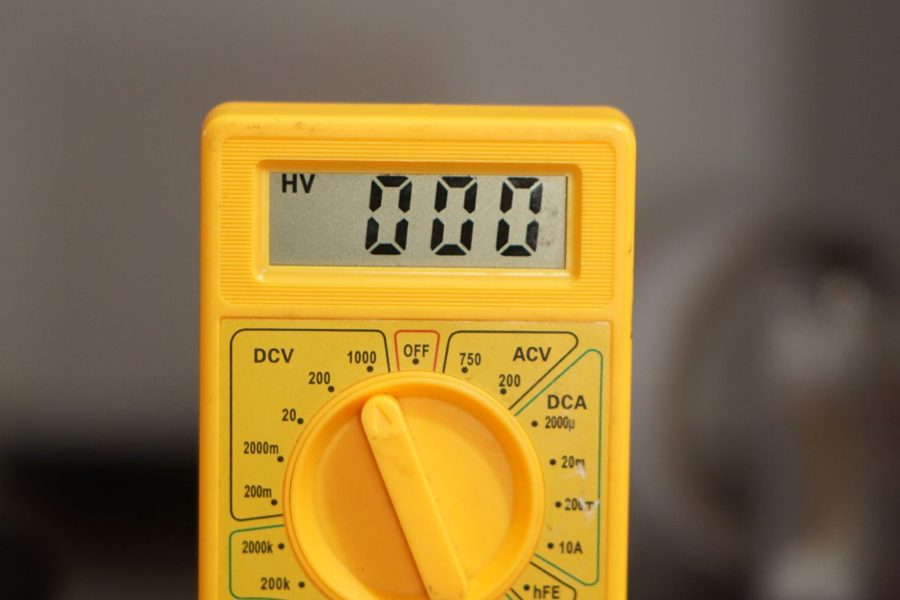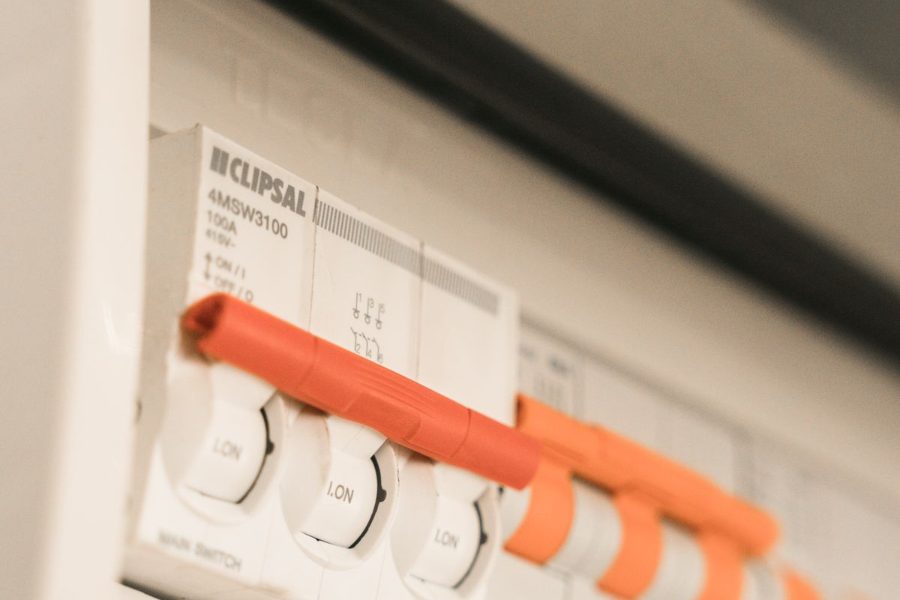



An EICR (Electrical Installation Condition Report) checks a building's fixed electrical installation: wiring, consumer units, distribution boards, sockets and circuits. PAT testing checks portable, plug-in appliances such as computers, kettles, extension leads and power tools.
They are different tests, and one does not replace the other. Many businesses should have their fixed installation inspected through an EICR, and PAT testing is commonly needed where portable appliances are used. How often depends on the premises, its use, the equipment and the level of risk.
If you run an office, shop, restaurant or warehouse, or let commercial property, in Hertfordshire, Stevenage or Knebworth, this guide shows what each test covers, how often to plan it and what to do next.
What is an EICR?
An EICR, also called fixed wire testing, is an inspection and test of a property's permanent electrical installation. A qualified electrician checks:
- Consumer units and distribution boards
- Fixed wiring and circuits
- Sockets, switches and light fittings
- Earthing and bonding
- Signs of damage, deterioration or unsafe work
The electrician inspects and tests the installation against BS 7671, the wiring regulations, often sampling circuits and accessories, then issues a report that classifies any issues found. Where staff, customers or tenants use your premises, it is the main way to confirm the building's electrics are in a safe condition. See our commercial EICR Hertfordshire service for how we carry these out.
What is PAT testing?
PAT (Portable Appliance Testing) covers electrical equipment that can be moved or plugged into a socket:
- Computers, monitors, chargers and extension leads
- Kettles, microwaves and kitchen appliances
- Printers, heaters and fans
- Power tools and site equipment
PAT is not always a formal electrical test. It can include simple user checks, a visual inspection for damage or overheating and, where appropriate, a combined inspection and test using a PAT tester. The right approach depends on the appliance, how it is used and the environment, and the aim is to check that portable appliances remain safe to use. Our PAT testing for businesses service is built around this risk-based approach.
EICR vs PAT testing: key differences
| Feature | EICR | PAT testing |
|---|---|---|
| What it checks | Fixed electrical installation | Portable, plug-in appliances |
| Examples | Wiring, consumer units, circuits, sockets | Computers, kettles, extension leads, tools |
| Also known as | Fixed wire testing | Portable appliance testing |
| Carried out by | A qualified and competent electrician | An electrically competent person with appropriate training and equipment; may be an electrician |
| Typical frequency | Risk-based; often 3–5 years for many commercial premises | Risk-based; depends on appliance, use and environment |
| Output | EICR report with observation codes | PAT register, labels and results |
| Replaces the other? | No | No |
Which test does your business need?
Ask two questions: what is fixed to the building, and what plugs into it?
- Office: EICR for the installation; PAT for IT equipment, chargers, kettles and extension leads.
- Retail shop: EICR for the premises; PAT for tills, display equipment and heaters.
- Restaurant or café: EICR is especially relevant given high electrical demand; PAT for kitchen appliances and portable equipment.
- Warehouse or workshop: EICR for larger distribution systems; PAT for tools, chargers and extension leads.
- Commercial landlord: your duties may cover the fixed installation and common areas, depending on the lease.
If you are unsure, a qualified electrician can review your premises and recommend an inspection schedule — see our commercial electrical services.
How often should each test be done?
Many commercial premises use a 3–5 year EICR cycle, but this is a commonly used interval, not a universal legal rule. Older installations, higher-risk environments and previous findings can mean shorter intervals. The HSE's guidance on electrical maintenance sets out the principle.
There is no single PAT interval. Base it on how often equipment is used, whether it is moved, the environment and past faults. Office IT may need less frequent checks than kitchen appliances or site tools. Employers must keep electrical equipment safe under the Electricity at Work Regulations, and PAT testing is a common way to do that — the HSE's guidance on portable appliance testing is worth reading before you set a schedule.
What happens if an EICR is unsatisfactory?
An EICR is classified as unsatisfactory if it records a C1, C2 or FI observation. Your electrician classifies each issue using these codes:
- C1 – Danger present: risk of injury; the affected part may need to be made safe or isolated immediately.
- C2 – Potentially dangerous: could become dangerous under fault conditions; remedial action is required.
- FI – Further investigation required: more checks needed to confirm safety.
- C3 – Improvement recommended: does not meet current best practice but presents no danger; a C3 alone does not make an EICR unsatisfactory.
C1, C2 and FI findings should be addressed promptly, and remedial work should be documented. Electrical Safety First's best practice guide on EICR coding goes into more detail, and our electrical inspection and testing page explains what you receive with the report.
Common mistakes
- Assuming an EICR also covers portable appliances, or that PAT covers the building's wiring
- Treating a C3 observation as an urgent safety failure
- Using the same PAT interval for every appliance
- Delaying action after an unsatisfactory EICR
Why records matter
Good records show you have taken reasonable steps to manage electrical safety. Keep your EICR reports, PAT register, test dates, remedial-work invoices and, where relevant, emergency lighting logs. Insurers, landlords, managing agents, auditors or health and safety representatives may ask to see them.
FAQs
Are EICR and PAT testing the same?
No. An EICR covers the fixed installation; PAT testing covers portable appliances. They assess different risks.
Is PAT testing a legal requirement?
No single law requires every appliance to be tested every year. However, employers must maintain electrical equipment safely, and PAT testing is commonly used as part of a risk-based approach.
Can an electrician carry out PAT testing?
Yes. A qualified electrician can, as can another trained and competent person with the right equipment.
More questions about inspections, certificates and call-outs? See our full electrical FAQs.
Arrange a commercial EICR and PAT testing review in Hertfordshire
Not sure whether your premises need an EICR, PAT testing or both? Robinz Electrical can assess your requirements, plan inspections around your working hours to minimise disruption, and provide clear documentation for businesses in Hertfordshire, Stevenage and Knebworth.
Exact requirements depend on your premises, lease, insurer and risk assessment. Standards referenced include BS 7671 and the Electricity at Work Regulations.
Last updated: 8 October 2026 · Reviewed by the Robinz Electrical team, NAPIT-registered electrical contractors.