


How do you know if a house needs rewiring? In most cases, the wiring is old, damaged or no longer safe for the way we use electricity today. Burning smells, scorched sockets, regular tripping, small shocks and an outdated fuse box are the usual clues. Age alone does not settle the question, and only a qualified electrician can confirm the condition with an EICR. This guide covers seven warning signs, a UK wiring age guide, EICR codes, costs and what to do next.
Quick Answer
Suspect that a house needs rewiring if the wiring is original and over 30 years old, the fuse box has rewirable fuses, or you notice burning smells, scorched sockets, frequent tripping or small shocks. An EICR from a registered electrician confirms the true condition of the installation.
How Do You Know If a House Needs Rewiring? The Short Answer
You can tell from three things: the warning signs, the age of the wiring and the result of a professional inspection. Electrical Safety First and NICEIC advise a check when original wiring is more than 30 years old. There is no single rule, which is why an inspection is the only reliable way to know. It is worth acting early, as Electrical Safety First reports that more than half of accidental house fires in the UK are caused by electricity.
7 Warning Signs a House Needs Rewiring
Learning how to tell if your house needs rewiring starts with spotting these seven signs.
1. A Burning Smell You Cannot Explain
If there is a burning smell in the house and you cannot trace it to the toaster or the oven, take it seriously. It usually means a cable or connection is overheating somewhere. Electrical Safety First says an electrical burn has a sharp smell, a bit like fish, which catches many people out. Loose connections and tired insulation behind a socket or switch are the usual culprits.
What to look for
- A smell that keeps coming back near the same socket, switch or consumer unit
- A smell that lingers once the cooker and heaters are off
- A faint crackle or unusual warmth from the wall
What to do
- Switch off that circuit at the consumer unit, if you can do so safely
- Leave it off and ring a registered electrician
2. Scorched, Brown or Yellowing Sockets and Switches
A socket that has gone yellow or brown is not simply showing its age. NICEIC points out that discoloration can mean heat damage from a fault, so it should never be put down to wear and tear. Plugs tell the same tale, so have a look at yours too.
What to look for
- Brown or black marks around a socket or switch
- Brown marks on the pins of a plug
- A plug that feels warm during normal use
What to do
- Stop using that socket straight away
- Get it tested before the damage spreads to the cable behind the wall
3. Fuses Blowing or Circuits Tripping Regularly
A trip now and then is normal, say when the kettle, toaster and washing machine all run at once. A circuit that trips again and again is a different matter. It is either overloaded or faulty, although a failing appliance can be to blame. If it trips with nothing plugged in, the wiring itself may be the problem.
What to look for
- The same circuit tripping time after time
- Fuses that blow for no obvious reason
- Tripping that carries on after you unplug everything
What to do
- Unplug appliances one at a time to rule out a dodgy item
- Read our guide, Why Does My Electricity Keep Tripping?, for the usual causes
- Book an inspection if it carries on, or ask us about fault finding
4. Small Electric Shocks or Buzzing Sockets
Even a slight tingle from a socket, switch or appliance needs attention that day, not next month. It can mean damaged insulation or poor earthing. A buzz or crackle from a socket suggests arcing, where electricity jumps a gap and creates serious heat inside the wall.
What to look for
- A tingle when you touch a switch, socket or metal fitting
- Buzzing, humming or crackling from a socket
- Sparks when you plug something in or pull it out
What to do
- Stop using that point straight away
- Book an inspection as soon as you can
5. An Old Fuse Box or Mixed Fuse Types
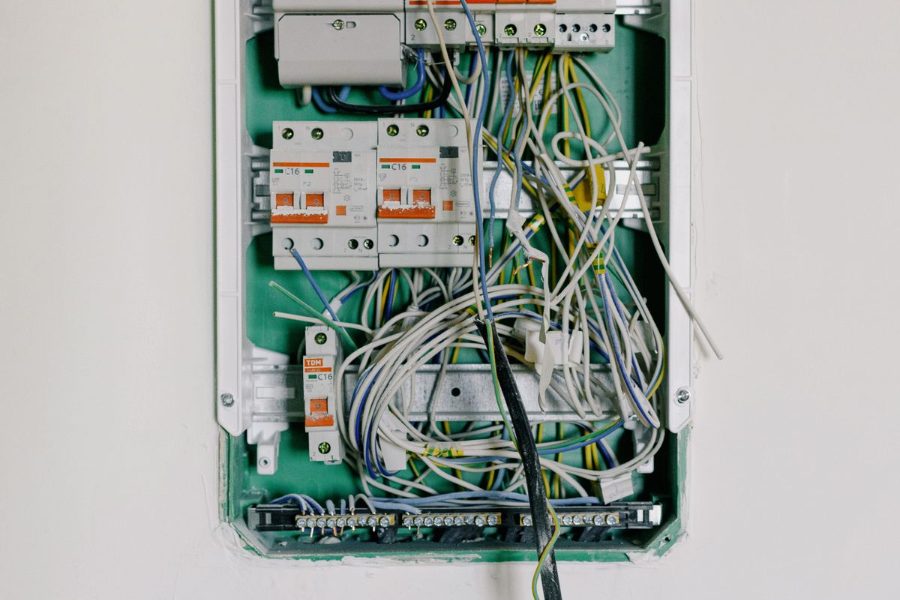
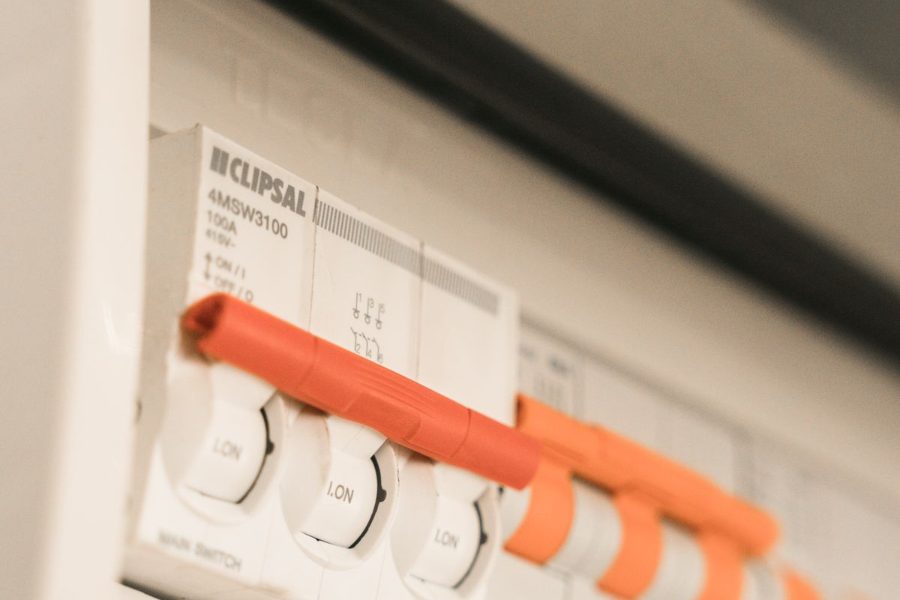
If your fuse box has a wooden back, a cast iron casing or ceramic fuses that you rewire by hand, it comes from a much earlier era of electrical protection. It will not have the RCD protection that cuts the power within a fraction of a second when something goes wrong. Fitting a new consumer unit does not automatically mean a full rewire, but the cables behind it should be checked at the same time.
What to look for
- A wooden or cast iron fuse box
- Ceramic fuses that need rewiring by hand
- Several different types of fuse in one box
What to do
- Arrange an inspection of the fuse box and the cables
- Ask us about our fuse board upgrades service
6. Old Style Sockets, Switches and Cables
Round pin sockets, sockets fixed to skirting boards and a jumble of different switch styles usually mean the wiring is original or has been patched over the years. Cable wrapped in black rubber, cloth or lead turns brittle with age and can crumble when disturbed.
What to look for
- Round pin sockets or sockets on the skirting board
- A mix of old and new sockets and switches
- Cable with cracked, flaking or crumbling insulation
Here is something most homeowners never think of. Ask your electrician to inspect the cable in the loft or beneath the floorboards. If the insulation is cracked or flaking there, the installation has reached the end of its life, even if the sockets in the lounge look perfectly fine.
7. Flickering Lights, Warm Plugs or Too Few Sockets
If the lights dim when the kettle or oven goes on, that circuit is working harder than it should. Extension leads in every room point the same way. Older systems were planned around a handful of appliances, and most households now run far more than that, so a tired installation struggles to cope.
What to look for
- Lights that flicker or dim when large appliances start up
- Extension leads and adaptors in most rooms
- Plugs or adaptors that feel warm
What to do
- Cut the load on the circuit and avoid plugging extension leads into each other
- Ask an electrician about extra circuits or sockets
Red flag: if you smell burning, see sparks or smoke, or a socket feels hot, switch off at the consumer unit if it is safe to do so and call an electrician straight away. Robinz Electrical offers a 24/7 emergency electrician service across Hertfordshire.
How Old Is Too Old? A UK Wiring Age Guide
Many UK guides suggest an inspection when wiring reaches 25 to 30 years and expect a rewire at 40 years or more, but condition matters more than age. So, when does a house need rewiring? As a guide:
| Era | What you typically find | What's usually needed |
|---|---|---|
| Before the 1960s | Rubber, cloth or lead covered cable and round pin sockets | A rewire is likely |
| 1960s to 1980s | Early PVC cable and rewirable fuses | Inspection advised, and a rewire is often needed |
| 1990s to 2000s | PVC cable and an early consumer unit | Inspection, with upgrades where needed |
| Last 20 years | Modern cable and RCD protection | Inspection every 10 years |
Many mid 20th century homes across Stevenage, Knebworth and Hertfordshire sit in the middle of this timeline, so a check is well worth having. One more tip: look at your consumer unit for an inspection label showing when the last test was carried out and when the next is due. No label often means no recent test.
What Is an EICR and How Does It Show If You Need a Rewire?
An Electrical Installation Condition Report works like an MOT for your wiring, recording its condition and any faults against BS 7671. It is recommended every 10 years for owner occupied homes, every 5 years for private rented homes in England (see the GOV.UK guidance for landlords), and when you buy a property. So how do you know if a house needs rewiring for certain? The report codes tell you:
| Code | Meaning |
|---|---|
| C1 | Danger present, immediate action |
| C2 | Potentially dangerous, urgent action |
| C3 | Improvement recommended |
| FI | Further investigation needed |
A C1 or C2 on the wiring can lead to a repair, a partial rewire or a full rewire. Our electrical inspection and testing service provides clear, certified reports for homeowners and landlords.
Full Rewire, Partial Rewire or Consumer Unit Upgrade?
The right option depends on the EICR result. A consumer unit upgrade suits sound wiring with an old fuse box. A partial rewire suits a few faulty circuits or rooms. A full rewire suits cabling that is mostly old, damaged or unsafe. A partial rewire can cost more overall if the rest of the house has to be done later, so ask your electrician for an honest comparison.
How Much Does It Cost to Rewire a House in the UK? (2026)
Most 2026 UK guides put a typical three bedroom house at roughly £4,500 to £8,000, with higher prices in London and the South East.
| Property | Typical UK range (2026 guides) |
|---|---|
| One to two bedrooms | About £3,500 to £6,500 |
| Three bedrooms | About £4,500 to £8,000 |
| Four to five bedrooms | About £7,000 to £12,000 |
| Partial rewire | About £1,500 to £6,000 |
These are published national guide figures, not a Robinz Electrical quote. Prices rise with property size, difficult access, extra sockets and lights, a new consumer unit and the cost of making good plaster and decoration. A typical three bedroom house takes about five to ten days. Always compare itemised quotes. Robinz Electrical offers free, no obligation quotes.
Can You Rewire a House Yourself?
No. A full rewire is notifiable work under Part P of the Building Regulations in England and must be certified. It should be carried out to BS 7671 (18th Edition) by an electrician registered with a competent person scheme, who issues completion certificates and notifies building control. Uncertified work can also cause problems with insurance and when you sell. Robinz Electrical is NAPIT registered and TrustMark registered, and every job is properly certified.
What to Do Next If You Think Your House Needs Rewiring
Stop using anything that looks or feels unsafe, then book an inspection. The surest answer to how do you know if a house needs rewiring is a professional report, not guesswork.
- Stop using any socket or switch that is hot, scorched or buzzing.
- Avoid overloading extension leads.
- Write down the signs and when they happen, as this helps diagnosis.
- Book an EICR with a registered electrician.
- Ask for an itemised quote for any recommended work.
If you are still unsure how to tell if a house needs rewiring, the inspection will settle it.
Rewiring FAQs
How often should a house be rewired?
Most wiring lasts 25 to 40 years, depending on its type and condition. Have an EICR every 10 years and rewire when the report shows the installation is unsafe.
Can a house be rewired while you live in it?
Yes, but a full rewire is quicker and easier in an empty house. In an occupied home, work is done room by room with some dust, noise and short power cuts.
How long does a rewire take?
A typical three bedroom house takes about five to ten days. Larger or older properties, and those with difficult access, can take two weeks or more.
Does home insurance cover rewiring?
Usually not for a planned rewire. Policies may cover damage from an insured event, such as a fire, so check your policy wording.
Will rewiring add value to my house?
It can. Buyers prefer a home with no rewire hanging over it, and some offer much less for a property with old wiring. A new certificate also helps the sale.
Does a new house ever need rewiring?
Rarely. A new build should not need it, but poor workmanship or later alterations can cause faults, so an EICR is sensible if problems appear.
How do I know if my wiring is the old rubber type?
Rubber, cloth or lead covered cable is usually found in homes from before the 1960s and often shows cracked or crumbling insulation. Only an electrician can identify it safely, so do not open sockets yourself.
Do I need a rewire to sell my house?
No law requires it. A buyer's survey may flag old wiring though, so an EICR beforehand can avoid delays and price negotiations.
More answers in our electrical FAQs.
Need an Electrician to Check Your Wiring?
Robinz Electrical is a family run company serving Knebworth, Woolmer Green, Stevenage and across Hertfordshire, Bedfordshire and Essex. We provide EICR testing, rewiring, fuse board upgrades, fault finding and 24/7 emergency callouts, all certified to BS 7671. Still asking how do you know if a house needs rewiring, or unsure how to know if a house needs rewiring in your own home? See our recent work, then call or WhatsApp 07383 035007 or request your free, no obligation quote today.
Sources
- Electrical Safety First (more than half of accidental house fires caused by electricity; electrical burning smell): electricalsafetyfirst.org.uk
- NICEIC (socket discoloration as heat damage; 30-year check guidance): niceic.com
- GOV.UK, Approved Document P — electrical safety in dwellings: gov.uk Approved Document P
- GOV.UK, Electrical safety standards in the private and social rented sectors: gov.uk guidance
- IET, BS 7671 wiring regulations: electrical.theiet.org
- Cost ranges are typical published UK guide figures for 2026 and are not a Robinz Electrical quotation.
Last updated: 15 October 2026 · Reviewed by the Robinz Electrical team, NAPIT-registered electrical contractors.